The primary goal of Sign Language Production (SLP) is to create sign avatars that resemble humans using text inputs. The standard procedure for SLP methods based on deep learning involves several steps. First, the text is translated into gloss, a language that represents postures and gestures. This gloss is then used to generate a video…
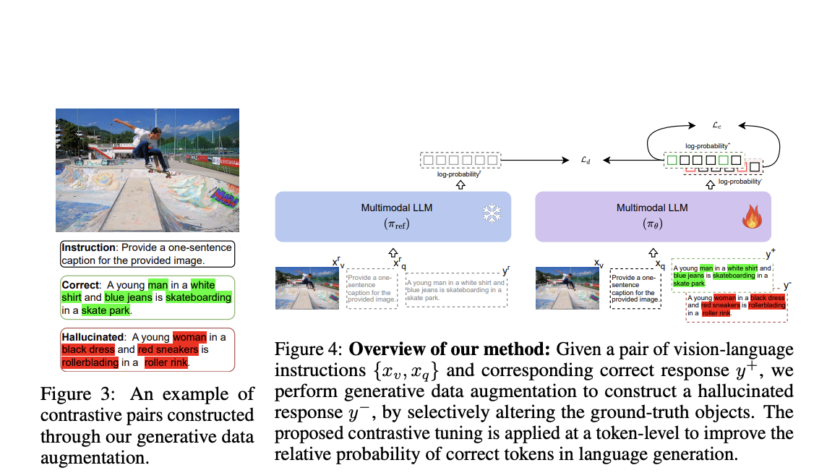
Multimodal Large Language Models (MLLMs) represent an advanced field in artificial intelligence where models integrate visual and textual information to understand and generate responses. These models have evolved from large language models (LLMs) that excelled in text comprehension and generation to now also processing and understanding visual data, enhancing their overall capabilities significantly.
The main…
Vision-language models (VLMs), capable of processing both images and text, have gained immense popularity due to their versatility in solving a wide range of tasks, from information retrieval in scanned documents to code generation from screenshots. However, the development of these powerful models has been hindered by a lack of understanding regarding the critical design…
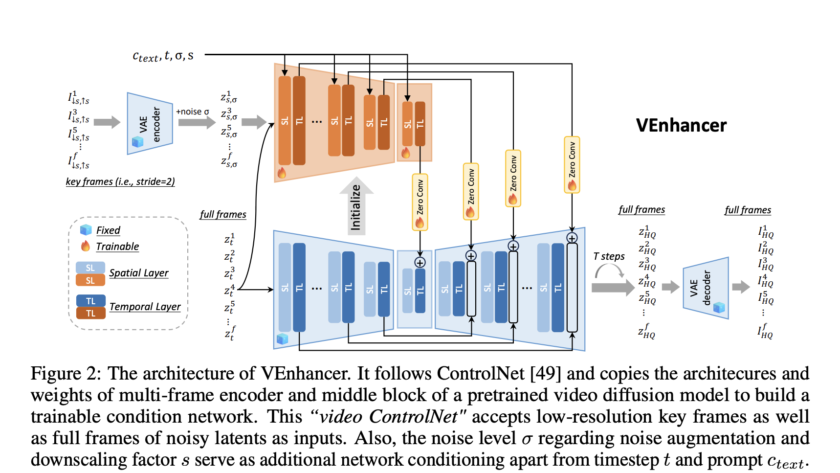
Video understanding is one of the evolving areas of research in artificial intelligence (AI), focusing on enabling machines to comprehend and analyze visual content. Tasks like recognizing objects, understanding human actions, and interpreting events within a video come under this domain. Advancements in this domain find crucial applications in autonomous driving, surveillance, and entertainment industries.…
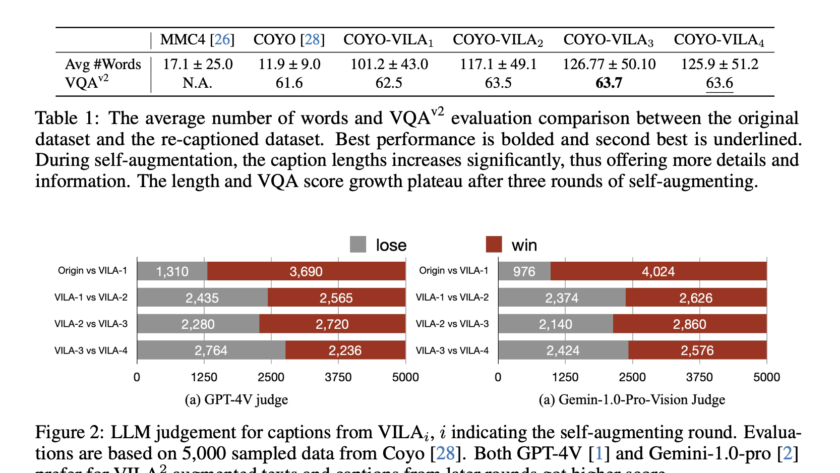
Knowledge Distillation has gained popularity for transferring the expertise of a “teacher” model to a smaller “student” model. Initially, an iterative learning process involving a high-capacity model is employed. The student, with equal or greater capacity, is trained with extensive augmentation. Subsequently, the trained student expands the dataset through pseudo-labeling new data. Notably, the student…
Adopting finetuned adapters has become a cornerstone in generative image models, facilitating customized image creation while minimizing storage requirements. This transition has catalyzed the development of expansive open-source platforms, fostering communities to innovate and exchange various adapters and model checkpoints, thereby propelling the proliferation of creative AI art. With over 100,000 adapters now available, the…
The rapid evolution in AI demands models that can handle large-scale data and deliver accurate, actionable insights. Researchers in this field aim to create systems capable of continuous learning and adaptation, ensuring they remain relevant in dynamic environments.
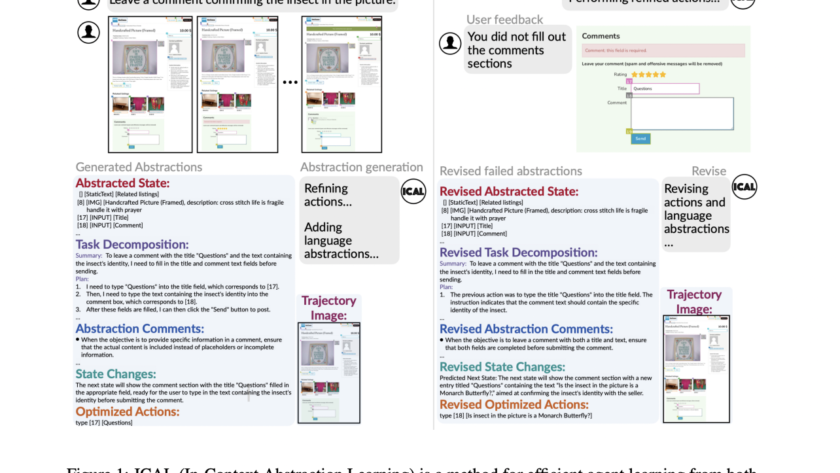
A significant challenge in developing AI models lies in overcoming the issue of catastrophic forgetting, where models…
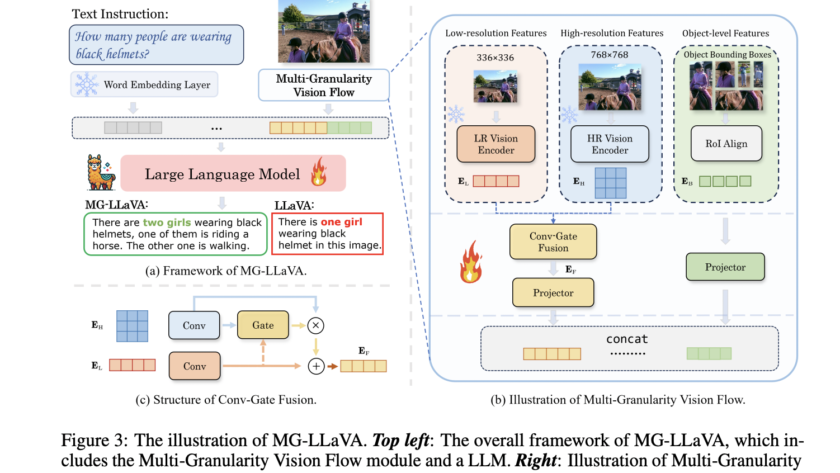
Multimodal large language models (MLLMs) integrate text and visual data processing to enhance how artificial intelligence understands and interacts with the world. This area of research focuses on creating systems that can comprehend and respond to a combination of visual cues and linguistic information, mimicking human-like interactions more closely.
The challenge often lies in the…
Online text recognition models have advanced significantly in recent years due to enhanced model structures and larger datasets. However, mathematical expression (ME) recognition, a more intricate task, has yet to receive comparable attention. Unlike text, MEs have a rigid two-dimensional structure where the spatial arrangement of symbols is crucial. Handwritten MEs (HMEs) pose even greater…
Within multimedia and communication contexts, the human face serves as a dynamic medium capable of expressing emotions and fostering connections. AI-generated talking faces represent an advancement with potential implications across various domains. These include enhancing digital communication, improving accessibility for individuals with communicative impairments, revolutionizing education through AI tutoring, and offering therapeutic and social support…